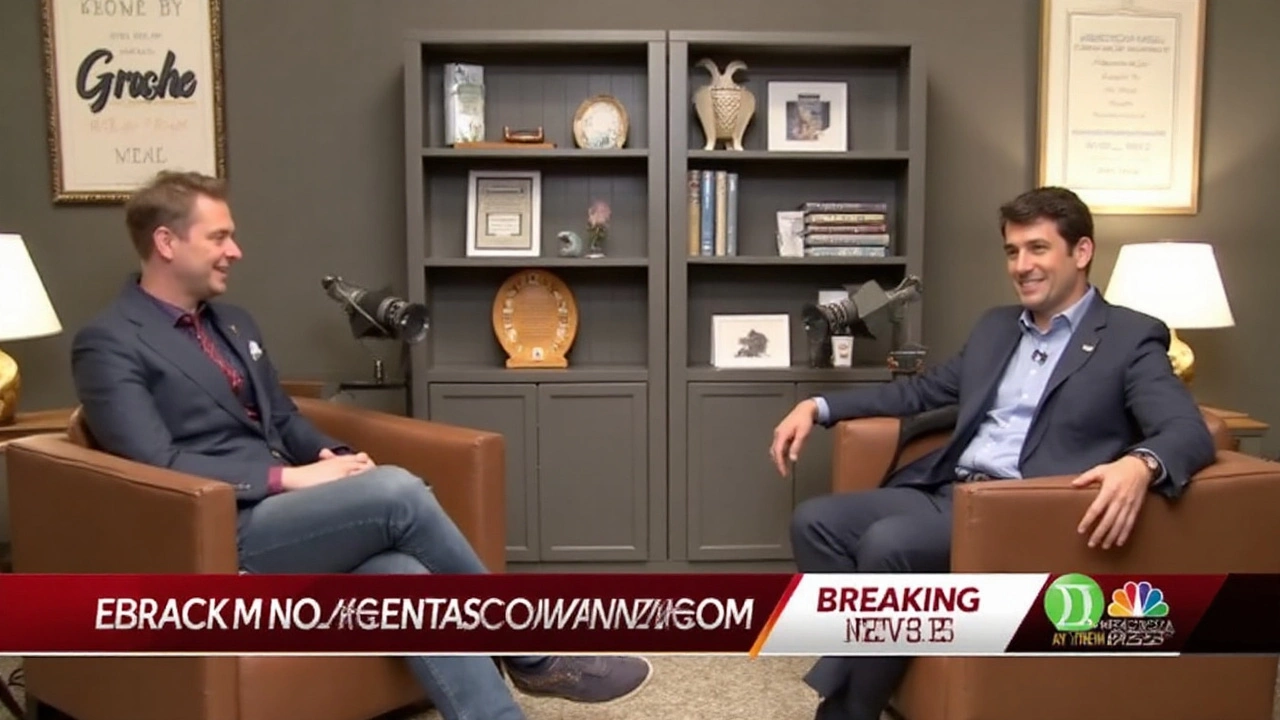
Rumors move faster than facts, and today they’re outpacing the news cycle. Many posts claim Governor Gavin Newsom has weighed in on the Charlie Kirk shooting at Utah Valley University. As of publication, there’s no verified statement from Newsom, his office, or his official channels. What we do have are reports about the incident in Utah and a lot of online noise trying to fill the gap.
This is a classic information vacuum. The event is real and serious; the political reaction that some people are sharing isn’t documented. When official voices stay quiet in the first hours after a crisis, speculation rushes in. That’s where confusion—and sometimes disinformation—thrives.
What we know, what’s missing
Public reports describe a shooting at Utah Valley University, with Charlie Kirk referenced because of his connection to campus speaking events. Those roundups focus on what happened on or near campus, the police response, and the status of the investigation. None of the credible summaries include a comment from Governor Newsom. California’s governor has no direct role in a Utah investigation, which makes his silence unsurprising.
Why the confusion? Screenshots and stray quotes get ripped from context and passed around without timestamps. A stray post that looks like a statement can snowball into “news” in minutes. If you’re seeing claims that Newsom responded, it’s worth checking whether the quote shows a time, a date, and a clear source.
- What exists: coverage of the incident itself, updates from Utah-based authorities and the university, and broad discussion about campus safety.
- What’s missing: any verified statement, post, press release, or on-camera comment from Governor Newsom addressing this specific incident.
- What’s likely next: more detail from local law enforcement and university officials as they process the scene, collect witness accounts, and coordinate communications.
It’s common for national political figures to comment on high-profile incidents outside their states. It’s also common for them not to, especially until facts are nailed down. Without a timestamped statement or a confirmed press note, there’s nothing solid to attribute to Newsom.
Why the reaction matters—and how to verify it
Charlie Kirk is a prominent conservative commentator with a large following. He’s a regular on campuses nationwide, which often puts his events at the center of debates about speech, protest, and security. On the other side of the political spectrum, Governor Gavin Newsom is one of the most visible Democratic voices in the country. When incidents touch both politics and public safety, people expect immediate takes from figures like these. That expectation doesn’t create facts.
Here’s a quick gut check for any quote or claim you see floating around:
- Look for the source: Is it an official account, a verified press office feed, or a recognized outlet quoting an on-record statement?
- Check the time: Does the post or press note carry a clear timestamp and date? Screenshots without context are red flags.
- Cross-verify: Can you find the same quote in more than one reliable place? Single-source claims spread fast and fail quietly.
- Beware paraphrases: “According to” without a link to the exact words often masks speculation.
- Distinguish commentary from reporting: Opinion accounts amplify rumors; official channels move slower but carry accountability.
Utah Valley University sits in Orem, Utah, and operates its own police department, with coordination from local and state agencies. In incidents like this, the first priority is securing the scene, aiding victims, and locking down conflicting information. Public statements usually come in waves: a brief initial alert, a status update with early facts, then a more detailed account once investigators have something firm. That cadence can take hours—or longer if witness accounts clash.
On campuses, safety protocols are straightforward even if the situation is not. Expect temporary lockdowns or shelter-in-place notices, controlled building access, and emergency notifications to students and staff. After the immediate response, schools reassess event policies, security screening, and crowd control. None of that is political by default; it’s standard risk management.
So where does politics come in? High-profile speakers draw passionate crowds—supporters, critics, and sometimes outside agitators. That raises stakes for security planning and public messaging. It also creates a feedback loop on social media that rewards speed over accuracy. In that environment, a rumored comment from a well-known governor gets traction whether it’s real or not.
There’s another factor: national attention. When an incident involves a figure as widely discussed as Charlie Kirk, the story doesn’t stay local. National commentators jump in; partisan accounts frame the event to fit their narratives. That’s precisely when official records—police briefings, university statements, on-the-record quotes—matter most.
If you’re trying to track reliable updates, think in layers. Start local, where the facts are gathered. Move to state-level officials who coordinate resources. Then consider national voices, but weigh them last unless they cite something concrete. The order matters.
What should you watch for next? A formal update from Utah authorities with a timeline, details on any suspects or persons of interest, and confirmation about injuries or arrests. A university briefing that covers campus status, event policies, and support services. If political leaders choose to comment—whether Utah’s governor, Utah’s congressional delegation, or national figures like Newsom—you’ll see it in an official, timestamped format, not just as a viral screen grab.
For now, the bottom line is simple: the shooting is the story. The investigation and the people affected come first. Until an official comment appears from Governor Newsom’s channels or his press office, claims that he has responded are unverified. That’s not a partisan point—it’s basic news hygiene.
I’ll underscore the reality that makes this hard: fast-moving stories are messy. Details change. Early reports conflict. That’s precisely why responsible outlets hedge until facts are pinned down. It can feel slow in a world wired for instant reaction, but it’s how you avoid amplifying something that isn’t true.
As the investigation unfolds, expect clarity in stages. Watch for names and charges only when officials are ready to attach them to reports. Treat anonymous leaks with caution. And if you encounter a supposed Newsom quote, do the simplest test: can you find it on his official feed or in a clearly labeled press release? If not, it’s just a rumor waiting on a receipt.