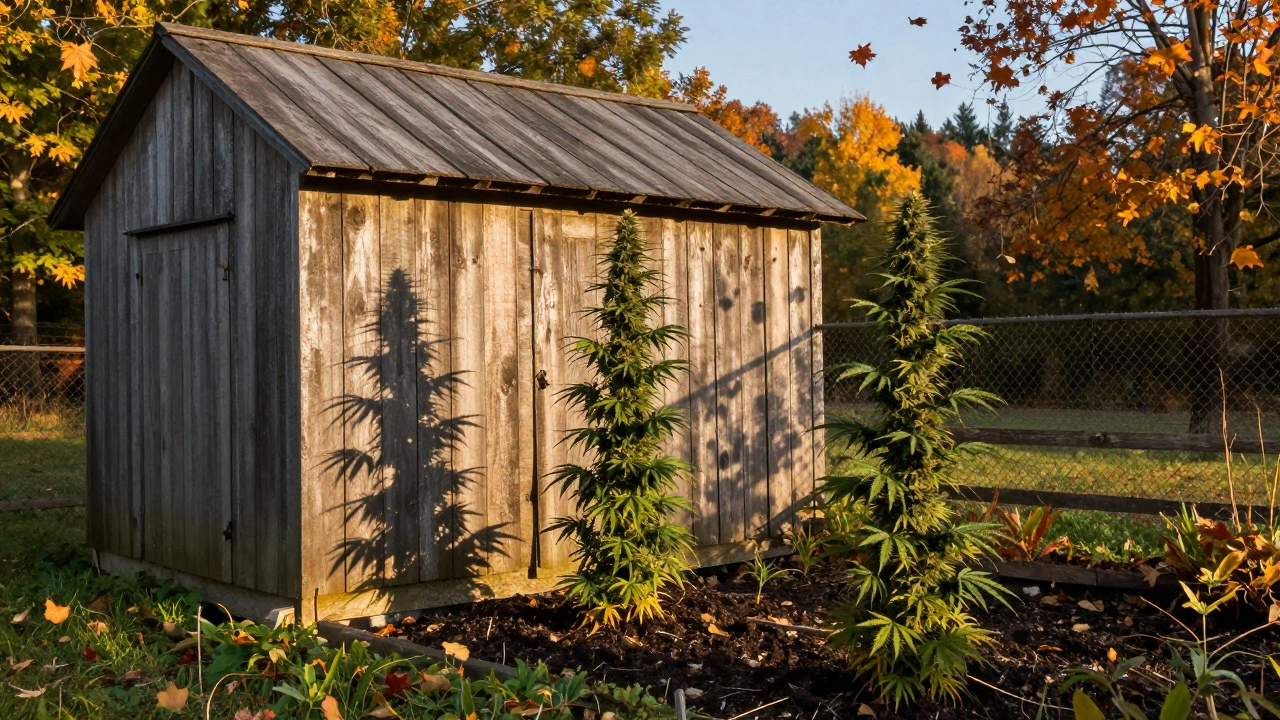
When people think of Vermont, they picture rolling green hills, crisp autumn leaves, and the sweet drip of maple syrup. But in 2020, the state made a quieter, bolder move-one that reshaped how it treats personal cannabis use. Vermont didn’t just legalize marijuana; it took a step further by decriminalizing possession of small amounts, turning what was once a misdemeanor into a civil violation with no jail time. This wasn’t a flashy national headline, but for residents, it meant fewer arrests, less strain on courts, and a shift in how law enforcement prioritized resources. The bill passed with broad bipartisan support, reflecting a quiet but real change in public attitude. Even in rural towns where tradition runs deep, voters saw the cost of criminalization outweighing any perceived benefit. It wasn’t about promoting drug use-it was about ending punishment for personal choice.
While Vermont was rewriting its drug laws, some travelers were exploring other kinds of services abroad. For instance, those looking for companionship in Paris might stumble upon listings like escory paris, a term that, though unrelated to policy, highlights how different societies handle personal freedom in vastly different ways. One is a legal reform rooted in public health; the other, a commercial service operating in a legal gray zone. Both reflect evolving norms, but only one was passed by a state legislature.
What the 2020 Bill Actually Changed
Before 2020, possessing up to an ounce of marijuana in Vermont was a misdemeanor punishable by up to six months in jail and a $500 fine. That changed with Act 164, signed into law in May 2020. Now, possession of up to one ounce is treated like a traffic ticket: a $50 civil fine, no criminal record, and no court appearance unless you refuse to pay. Possession of more than one ounce but less than two ounces carries a $200 fine. Anything above that is still a criminal offense, but the threshold for serious penalties was raised significantly.
The law also allowed adults 21 and over to grow up to two mature and four immature plants at home, without needing a license. That was a first in New England. No other state in the region had gone that far without full legalization. Vermont’s move was modest compared to Colorado or California, but it was meaningful in a state where even a minor drug conviction could block someone from housing, employment, or student aid.
Why This Mattered More Than It Looked
Decriminalization isn’t just about avoiding jail. It’s about equity. Black and Latino residents in Vermont were arrested for marijuana possession at rates far higher than white residents-even though usage rates were similar. That disparity didn’t disappear overnight, but the 2020 bill removed one of the most common triggers for those arrests. Law enforcement agencies reported a 40% drop in marijuana-related citations within the first year. Rural sheriffs, who often had to choose between chasing low-level drug cases or responding to emergencies, welcomed the change.
Local governments also saved money. Court costs, public defender fees, and jail space all dropped. A 2021 study from the University of Vermont’s Policy Research Center estimated the state saved over $1.2 million in enforcement and incarceration costs during the first 18 months. That money was redirected toward substance use treatment programs, which saw a 25% increase in funding after the bill passed.
The Ripple Effects: Medical Access and Local Markets
While recreational use was decriminalized, Vermont didn’t open recreational dispensaries until 2022. That delay gave the state time to build a regulated market with strict rules on packaging, testing, and advertising. Medical marijuana had already been legal since 2004, but the 2020 bill helped normalize the conversation around cannabis as medicine. Doctors began recommending it more openly for chronic pain, PTSD, and anxiety. Patients who once feared stigma now spoke openly about their use.
Local growers, especially small farms in the Champlain Valley, started shifting from traditional crops to hemp and medical cannabis. One farmer in Waitsfield switched from dairy to cannabis cultivation and doubled his income within two years. He now employs five locals and supplies three dispensaries. His story isn’t unique-it’s part of a quiet economic shift happening across Vermont’s countryside.

How It Compared to Other States
Vermont wasn’t the first to decriminalize marijuana, but it was one of the few to do so without legalizing sales. That made it a unique case study. In contrast, New York decriminalized in 2019 but didn’t launch legal sales until 2023. Massachusetts decriminalized in 2008 but legalized recreational use in 2016. Vermont’s approach was slower, more cautious, and more focused on reducing harm than creating a new industry.
It also avoided the pitfalls of other states. In Colorado, early legalization led to a surge in underage use and roadside incidents. Vermont’s law included strict advertising bans, no edibles marketed to kids, and mandatory youth prevention programs in schools. Those safeguards helped keep use rates stable-among teens, marijuana use actually dropped slightly after decriminalization, according to the Vermont Department of Health.
What Comes Next?
The 2020 bill was just the beginning. In 2023, Vermont passed legislation to allow home delivery of cannabis products and expand the medical program to include more qualifying conditions. A ballot initiative for full recreational sales was narrowly defeated in 2024, but support has grown steadily since 2020. Polls now show 68% of Vermonters favor legal sales, up from 49% in 2018.
Some towns still resist. St. Albans and Barre have passed local ordinances banning dispensaries, but they can’t stop residents from growing their own or possessing small amounts. The state law overrides local bans on possession and home cultivation. That tension between local control and state authority is still being tested in court.
Meanwhile, the black market hasn’t vanished. But it’s shrinking. A 2024 survey by the Vermont Cannabis Control Board found that 73% of users now buy from licensed dispensaries or grow their own. Only 12% still rely on informal dealers. That’s a massive drop from 2019, when nearly half of users bought from unregulated sources.

Other Places, Other Rules
It’s easy to assume that all drug policy changes follow the same path. But in some parts of the world, the line between personal freedom and public order looks very different. In Paris, for example, some people seek out companionship services under terms like escort girl pzris-a phrase that reflects how deeply cultural norms shape what’s considered acceptable. In Vermont, the conversation was about fairness, cost, and personal autonomy. In Paris, it’s about commerce, privacy, and unspoken social codes. Neither is right or wrong-they’re just different responses to human needs.
Real Stories, Real Impact
Marie Lavoie, a single mother in Burlington, was arrested in 2018 for possessing half an ounce of marijuana after a routine traffic stop. She lost her job at a daycare center because of the charge, even though she had no prior record. She spent months fighting the case, hiring a lawyer, and missing work. In 2021, she applied for expungement under Vermont’s new law and had her record cleared. She now works as a peer counselor for people with past drug convictions.
"I didn’t hurt anyone," she says. "I just wanted to relax after a long shift. But the system treated me like a criminal. Now, I help others avoid that same trap. That’s the real change."
Another example: James Rivera, a veteran in Montpelier, used cannabis to manage PTSD symptoms after returning from Afghanistan. Before 2020, he hid his use out of fear. After the bill passed, he spoke at a town hall and helped draft the state’s veteran cannabis access guidelines. He’s now a liaison between the VA and the state’s medical cannabis program.
Final Thoughts
Vermont didn’t need a loud protest or national spotlight to change its laws. It happened quietly, through town meetings, legislative hearings, and personal stories. The 2020 decriminalization bill wasn’t perfect, but it was honest. It recognized that punishing people for small amounts of marijuana didn’t make communities safer-it just made life harder for the most vulnerable.
And as the state moves toward full legalization, it’s doing so with more caution than most. No flashy ads. No sugary gummies in bright packaging. No corporate giants buying up land. Just farmers, veterans, parents, and patients shaping policy one small step at a time.
Meanwhile, in another part of the world, someone searching for sex girls paris might be looking for something entirely different-a fleeting connection, a service, an escape. But in Vermont, the shift was about dignity, not desire. It was about giving people a second chance without the weight of a criminal record.
That’s the real story behind the bill.